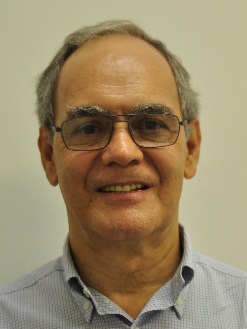
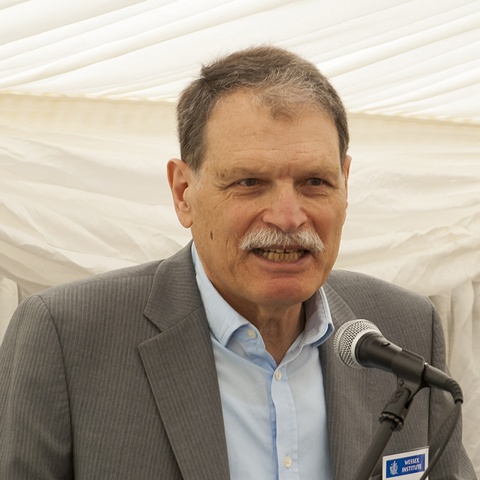
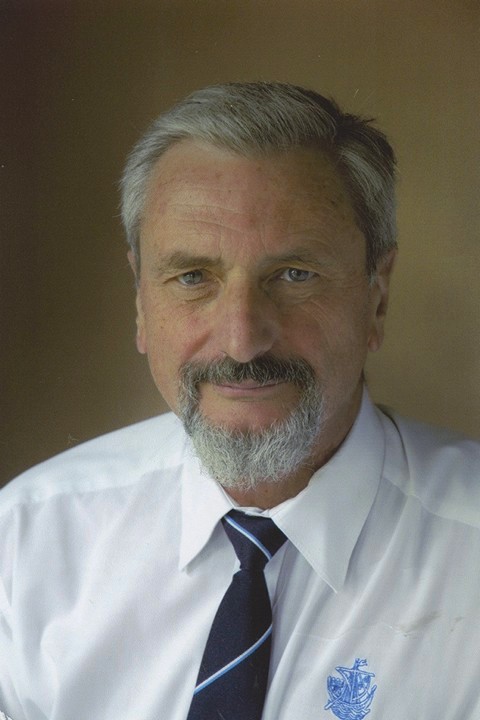
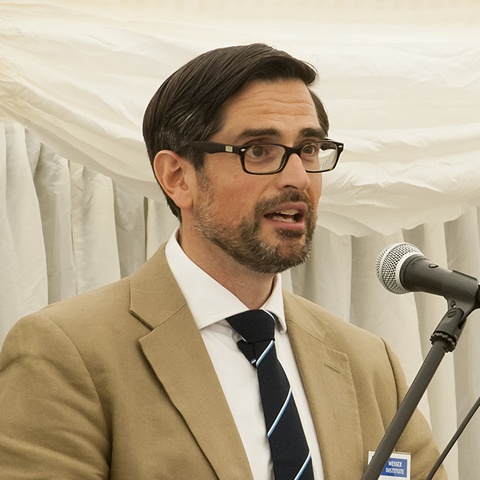
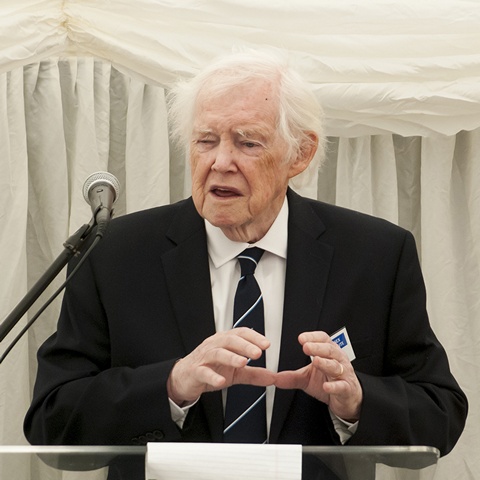
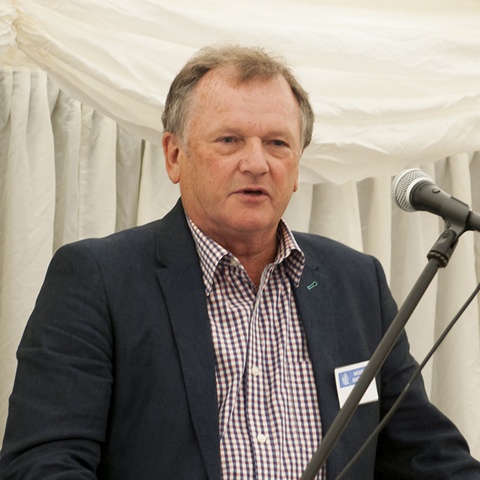
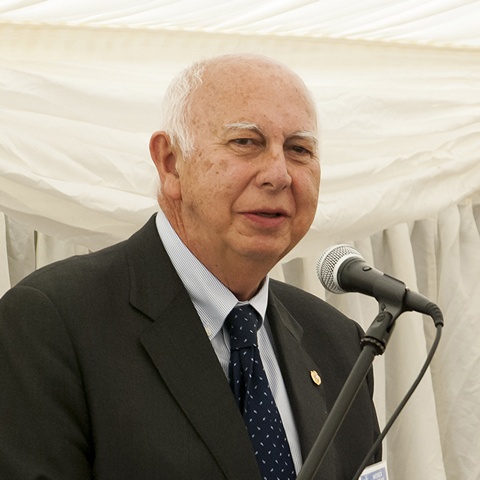
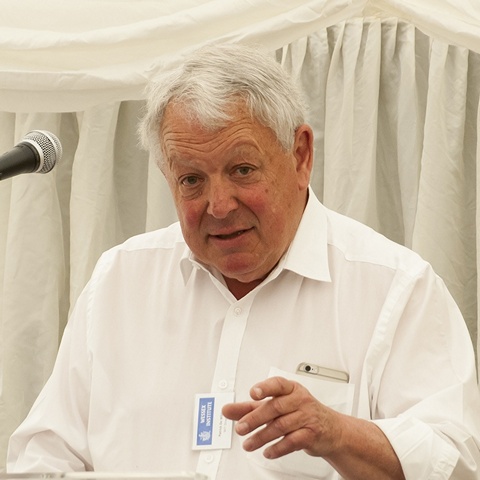
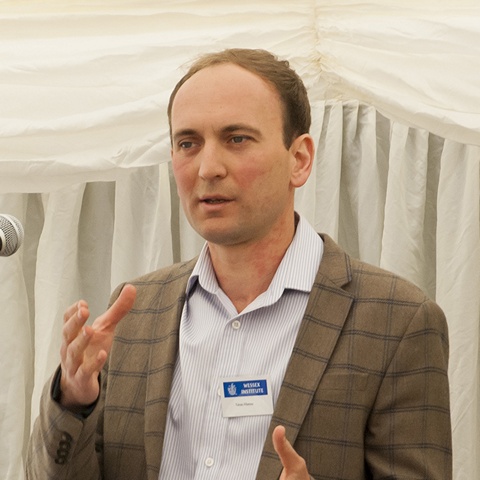
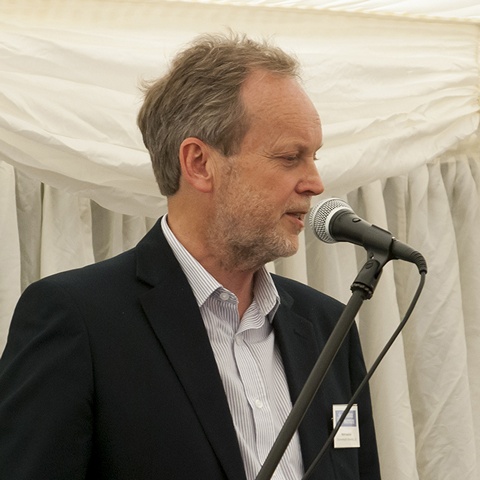
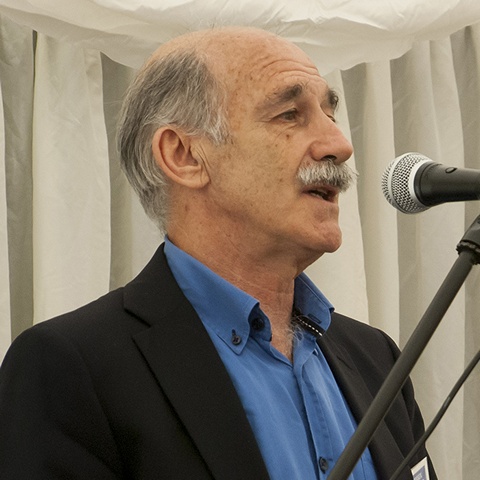
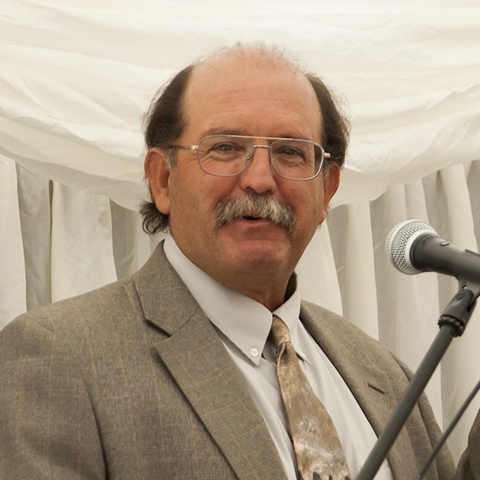
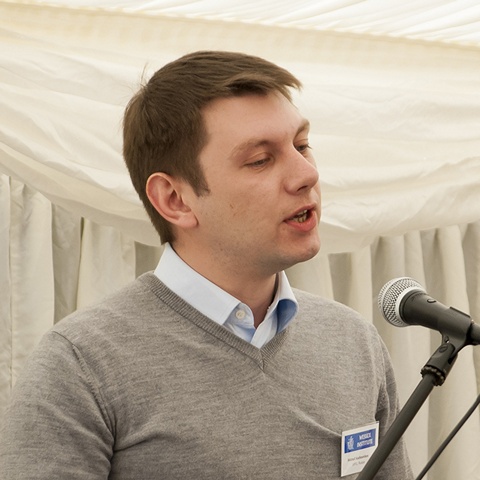
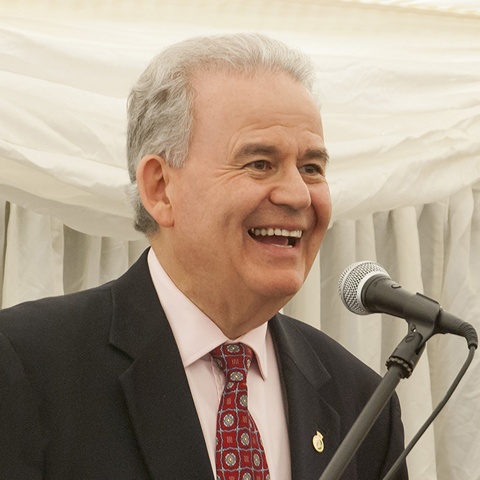
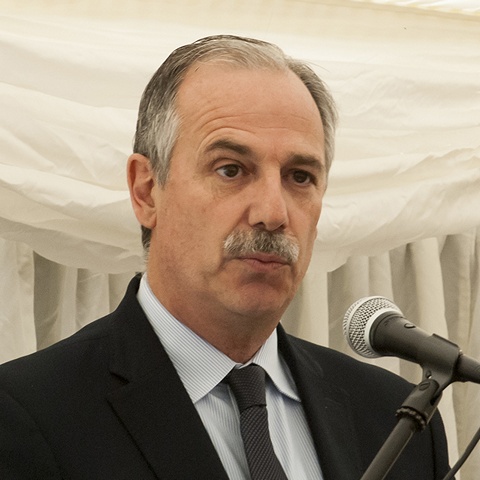
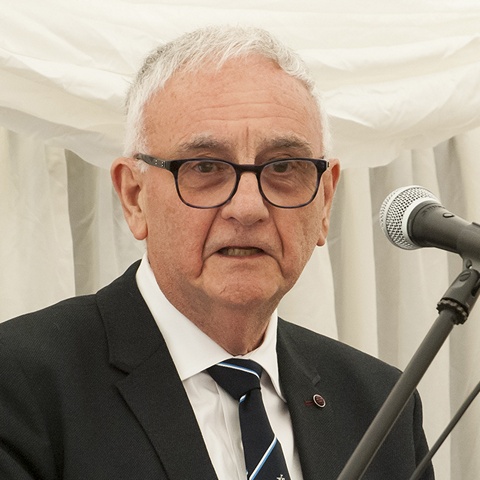
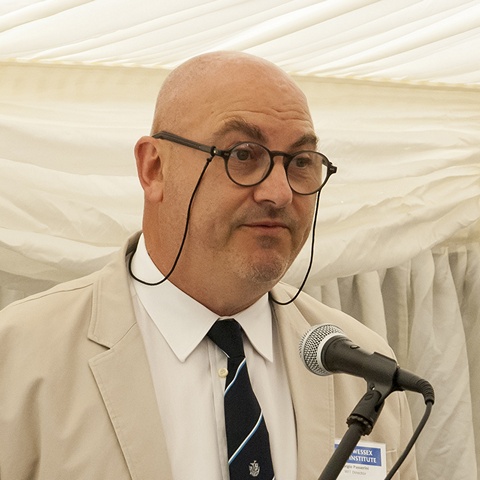
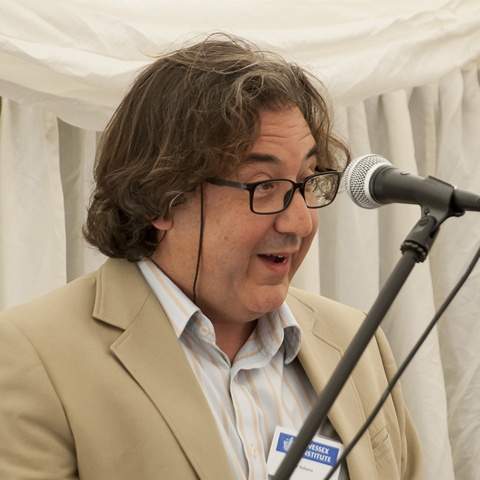
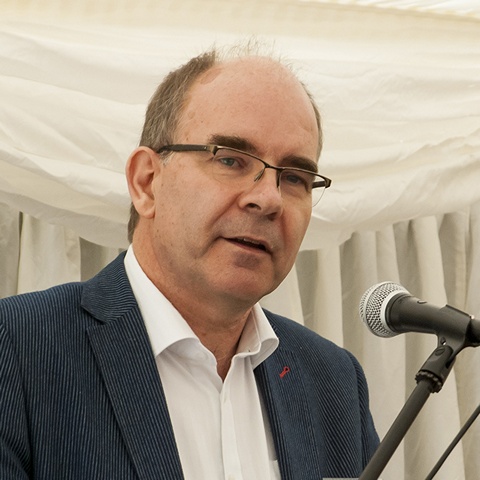
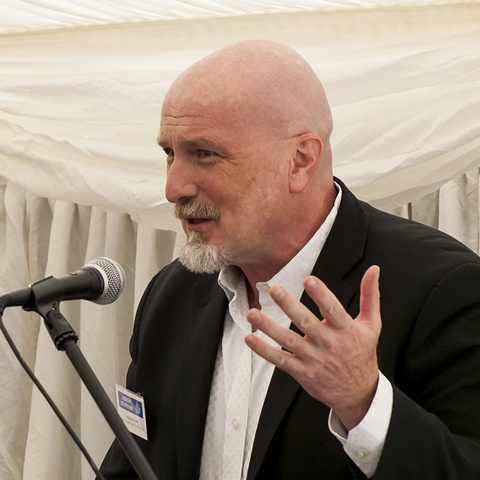
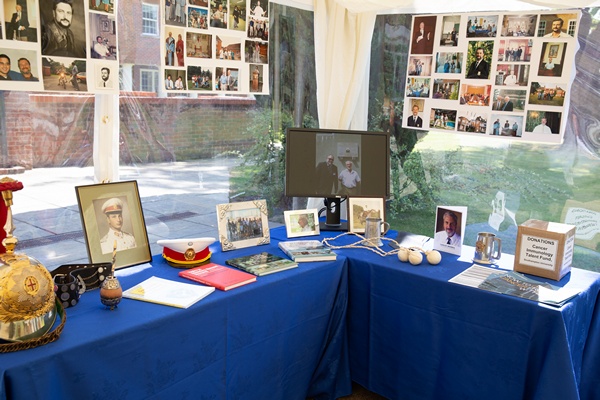
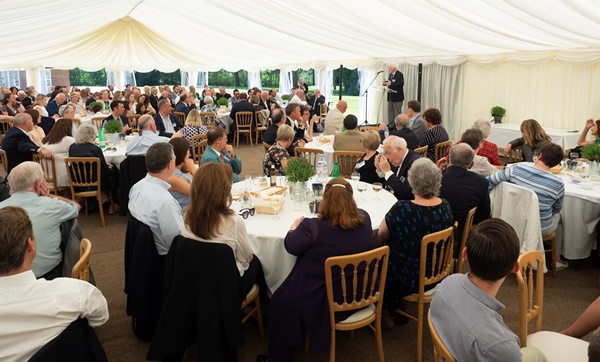
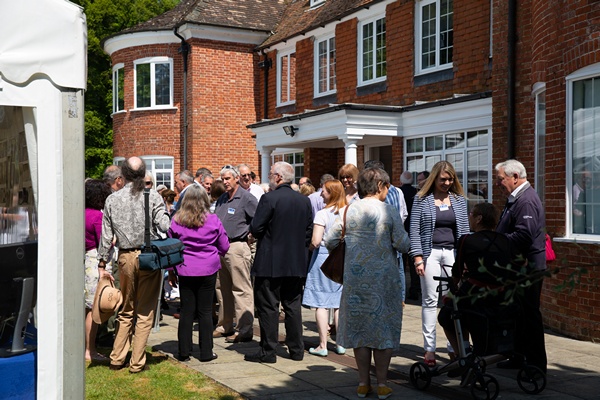
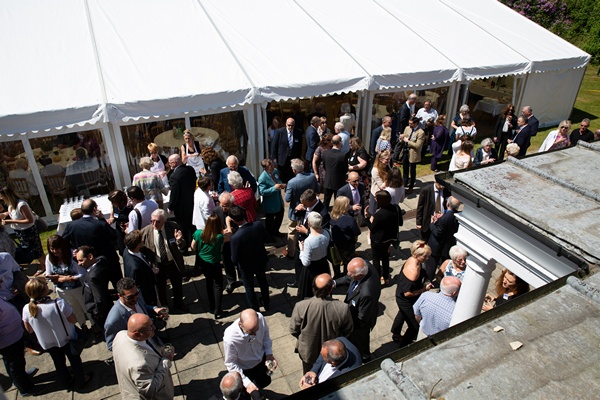
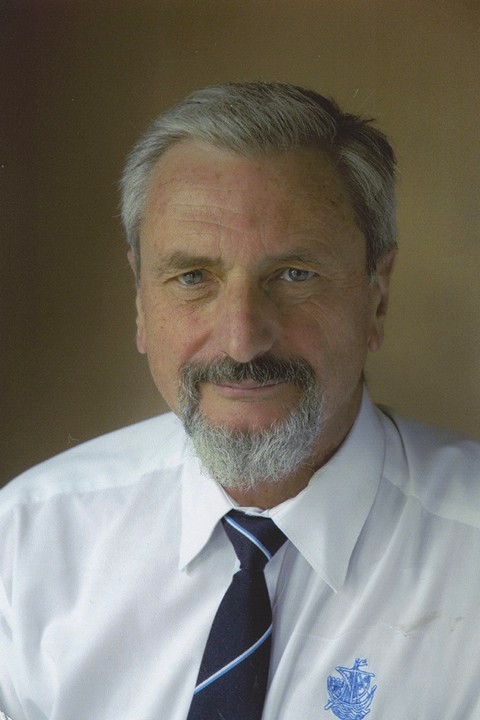
The 2018 Prigogine Gold Medal was awarded to Professor Stuart Kauffman, University of Pennsylvania, USA.
The Prigogine Gold Medal 2018 Award Ceremony took place at the
University of Siena on Tuesday 4th September 2018, during the first day
of the 10th International Conference on Sustainable Development and
Planning (SDP).
The Prigogine Medal was established by the University of Siena and
the Wessex Institute of Technology in 2004 to honour the memory of
Professor Ilya Prigogine, Nobel Prize Winner for Chemistry.
ILYA PRIGOGINE
Ilya Prigogine was born in Moscow in 1917, and obtained his
undergraduate and graduate education in chemistry at the Free University
in Brussels. He was awarded the Nobel Prize for his contribution to
non-equilibrium thermodynamics, particularly the theory of dissipative
structures. The main theme of his scientific work was the role of time
in the physical sciences and biology. He contributed significantly to
the understanding of irreversible processes, particularly in systems far
from equilibrium. The results of his work have had profound
consequences for understanding biological and ecological systems.
Prigogine’s ideas established the basis for ecological systems
research. The Prigogine Medal to honour his memory is awarded annually
to a leading scientist in the field of ecological systems. All
recipients have been deeply influenced by the work of Prigogine.
Previous Prigogine Laureates:
2004 Sven Jorgensen, Denmark
2005 Enzo Tiezzi, Italy
2006 Bernard Patten, USA
2007 Robert Ulanowicz, USA
2008 Ioannis Antoniou, Greece
2009 Emilio del Giudice, Italy
2010 Felix Müller, Germany
2011 Larissa Brizhik, Ukraine
2012 Gerald Pollack, USA
2013 Vladimir Voeikov, Russia
2014 Mae-wan Ho, UK
2015 Bai-Lian Larry Li, USA
2016 Brian Fath, USA
2017 João Carlos Marques, Portugal
The 2018 Medal was awarded to Professor Stuart Kauffman, Emeritus
Professor of Biochemistry at the University of Pennsylvania and
affiliate faculty at the Institute for Systems Biology.
STUART KAUFFMAN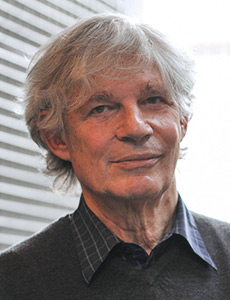
Professor
Stuart Kauffman is an American medical doctor, theoretical biologist,
and complex systems researcher who studies the origin of life on Earth.
He was a professor the Universities of Chicago, Pennsylvania and
Calgary. He is currently Emeritus Professor of Biochemistry at the
University of Pennsylvania and affiliate faculty at the Institute for
Systems Biology. He has a number of awards including a MacArthur
Fellowship and a Wiener Medal.
He is best known for arguing that the complexity of biological
systems and organisms might result as much from self-organisation and
far-from-equilibrium dynamics as from Darwinian natural selection as
discussed in his book Origins of Order (1993). In 1967 and 1969 Kauffman
used random boolean networks to investigate generic self-organising
properties of gene regulatory networks. Using these models, he proposed
that cell types are dynamical attractors in gene regulatory networks and
that cell differentiation can be understood as transitions between
attractors. Recent evidence suggests that cell types in humans and other
organisms are attractors. In 1971 he suggested that a zygote may not be
able to access all the cell type attractors in its gene regulatory
network during development and that some of the developmentally
inaccessible cell types might be cancer cell types. This suggested the
possibility of "cancer differentiation therapy". He also proposed the
self-organised emergence of collectively autocatalytic sets of polymers,
specifically peptides, for the origin of molecular reproduction, which
have found experimental support.
SPECIAL PRIGOGINE LECTURE
on
A World Beyond Physics: The Emergence and Evolution of Life
delivered by Professor Stuart Kauffman at the University of Siena, Italy, Spain
The emergence and evolution of life is based on physics but is beyond
physics. Evolution is an historical process arising from the
non-ergodicity of the universe above the level of atoms. Most complex
things will never exist. Human hearts exist. Prebiotic chemistry saw the
evolution of many organic molecules in complex reaction networks, and
the formation of low energy structures such as membranes. Theory and
experiments suggest that from this, the spontaneous emergence of self
reproducing molecular systems could arise and evolve. Such “collectively
autocatalytic systems” cyclically link non-equilibrium processes whose
constrained release of energy constitutes “work” to construct the same
constraints on those non-equilibrium processes. Cells yoke a set of
non-equilibrium processes and constraints on the energy released as work
to build their own constraints and reproduce.
Such systems are living, and can propagate their organization with
heritable variations, so can be subject to natural selection. In this
evolution, these proto-organisms emerge unprestatably, and afford novel
niches enabling, not causing, further types of proto-organisms to
emerge. With this, unprestatable new functions arise. The ever-changing
phase space of evolution includes these functionalities. Since we cannot
prestate these ever new functionalities, we can write no laws of motion
for this evolution, which is therefor entailed by no laws at all, and
thus not reducible to physics. Beyond entailing law, the evolving
biosphere literally constructs itself and is the most complex system we
know in the universe.
For further information about the Prigogine Awards, please contact:
Wessex Institute of Technology
Ashurst Lodge, Ashurst
Southampton
SO40 7AA, UK
Tel: +44 (0) 238 029 3223
Fax: +44 (0) 238 029 2853
Email:
wit@wessex.ac.uk
See the following Web pages for details of recent Prigogine Awards:
Further details of all Prigogine Awards can be found on our dedicated page:
Prigogine Award
 2019
promises to be another busy year for the Wessex Institute and its
conference division in particular. The Institute has organised 20
international conferences for 2019 in a variety of disciplines. This
demonstrates the broad range of scientific interests of our institution,
which has always sought to be engaged in the relevant challenges of our
times. All our meetings are supported by renowned academics as part of
the International Scientific Advisory Committee (ISAC), which guarantees
the scientific relevance of each conference. In addition, each meeting
has an assigned conference coordinator who ensures the smooth running of
the entire event.
2019
promises to be another busy year for the Wessex Institute and its
conference division in particular. The Institute has organised 20
international conferences for 2019 in a variety of disciplines. This
demonstrates the broad range of scientific interests of our institution,
which has always sought to be engaged in the relevant challenges of our
times. All our meetings are supported by renowned academics as part of
the International Scientific Advisory Committee (ISAC), which guarantees
the scientific relevance of each conference. In addition, each meeting
has an assigned conference coordinator who ensures the smooth running of
the entire event.
 The George Green Medal 2018 was presented on the occasion of the